<h1>Petunia Double Cascade: The Ultimate Guide</h1>

<h2>Petunia Double Cascade</h2>

<p>If you're looking for a show-stopping plant that will add color and texture to your garden, the Petunia Double Cascade might just be what you need.</p>

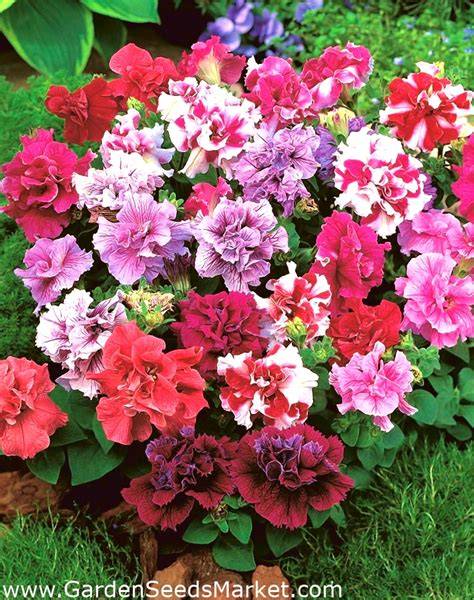
<p>This cascading petunia variety is known for its double flowers, which means that each bloom has more than one layer of petals. This gives the flower a fuller, more voluminous look, and makes it stand out from other petunia varieties.</p>

<h2>History of Petunia Double Cascade</h2>

<p>The Petunia Double Cascade was first introduced in the 1980s, and quickly became popular among gardeners who were looking for a unique and eye-catching petunia variety.</p>

<p>Over the years, breeders have continued to refine the Petunia Double Cascade, creating new colors and patterns that make this plant even more versatile and appealing.</p>

<h2>Planting Petunia Double Cascade</h2>

<h3>When to Plant</h3>

<p>The best time to plant Petunia Double Cascade is in late spring, after the last frost date in your area. This will give the plant enough time to establish itself before the hot summer months.</p>

<h3>Where to Plant</h3>

<p>Petunia Double Cascade thrives in full sun, so choose a spot in your garden that gets at least six hours of direct sunlight per day.</p>

<p>The plant also prefers well-drained soil, so make sure the area you choose is not prone to standing water.</p>

<h3>How to Plant</h3>

<p>Before planting Petunia Double Cascade, prepare the soil by loosening it with a garden fork or tiller. Mix in some organic matter, such as compost or aged manure, to improve soil fertility and structure.</p>

<p>Plant the petunias about 6-8 inches apart, and water them well after planting to help them settle into their new home.</p>

<h2>Caring for Petunia Double Cascade</h2>

<h3>Watering</h3>

<p>Petunia Double Cascade needs regular watering, especially during hot, dry weather. Water deeply once or twice a week, rather than giving the plant frequent shallow waterings.</p>

<p>Be careful not to overwater, as this can lead to root rot and other problems.</p>

<h3>Fertilizing</h3>

<p>To keep Petunia Double Cascade healthy and blooming all season long, fertilize it every 2-3 weeks with a balanced fertilizer that is high in phosphorus.</p>

<p>You can also use a slow-release fertilizer at the beginning of the growing season, which will provide nutrients to the plant gradually over time.</p>

<h3>Pests and Diseases</h3>

<p>Like most plants, Petunia Double Cascade can be susceptible to pests and diseases. Common problems include aphids, spider mites, and botrytis blight.</p>

<p>To prevent these issues, keep the plant healthy and stress-free by providing adequate water and nutrients. Remove any diseased or damaged foliage promptly, and consider using an insecticide or fungicide if needed.</p>

<h2>Colors and Varieties</h2>

<p>Petunia Double Cascade comes in a wide range of colors, from classic shades like pink and purple to more unusual hues like yellow and red.</p>

<p>Some popular varieties include:</p>

<ul>
    <li>Pink</li>
    <li>Purple</li>
    <li>White</li>
    <li>Red</li>
    <li>Yellow</li>
</ul>

<p>You can also find Petunia Double Cascade in bi-color and tri-color patterns, which create a striking visual effect in the garden.</p>

<h2>Uses for Petunia Double Cascade</h2>

<h3>Hanging Baskets</h3>

<p>One of the most popular uses for Petunia Double Cascade is in hanging baskets. The plant's trailing habit makes it perfect for this type of arrangement, and the double blooms add extra interest and texture to the display.</p>

<h3>Container Gardening</h3>

<p>Petunia Double Cascade also does well in containers, whether you're planting it alone or combining it with other plants. Just make sure the container has good drainage, and water regularly to keep the soil moist.</p>

<h3>Garden Borders</h3>

<p>If you want to use Petunia Double Cascade in your garden borders, combine it with other low-growing annuals or perennials for a colorful and varied display.</p>

<h2>Propagation</h2>

<h3>Seeds</h3>

<p>You can propagate Petunia Double Cascade from seeds, which can be sown indoors in late winter or outdoors in early spring.</p>

<p>To  seeds indoors, sow them in a seed-ing mix and keep them moist and warm until they germinate. Once the seedlings have a few sets of true leaves, transplant them into larger containers.</p>

<p>To sow seeds outdoors, prepare the soil as you would for planting, and scatter the seeds over the surface. Cover lightly with soil, and keep moist until the seedlings emerge.</p>

<h3>Cuttings</h3>

<p>You can also propagate Petunia Double Cascade from cuttings, which is a quicker and more reliable method than ing from seeds.</p>

<p>To take cuttings, choose a healthy, non-flowering stem and cut it just below a node. Remove the lower leaves, leaving only a few at the top, and dip the cut end in rooting hormone.</p>

<p>Plant the cutting in a pot filled with a moist, well-draining soil mix, and cover with a plastic bag to create a humid environment. Keep the cutting out of direct sunlight until roots have formed, then gradually introduce it to brighter light.</p>

<h2></h2>

<p>Petunia Double Cascade is a stunning and versatile plant that can add color and texture to any garden or container arrangement. With its double blooms and cascading habit, this petunia variety is sure to turn heads and make your garden stand out.</p>

<p>By following the tips and guidelines outlined in this guide, you can grow and care for Petunia Double Cascade successfully and enjoy its beauty all season long.</p>

<h2>FAQs</h2>

<h3>1. How often should I water Petunia Double Cascade?</h3>
<p>You should water Petunia Double Cascade deeply once or twice a week, rather than giving it frequent shallow waterings.</p>

<h3>2. What kind of soil does Petunia Double Cascade prefer?</h3>
<p>Petunia Double Cascade prefers well-drained soil that is rich in organic matter, such as compost or aged manure.</p>

<h3>3. How often should I fertilize Petunia Double Cascade?</h3>
<p>You should fertilize Petunia Double Cascade every 2-3 weeks with a balanced fertilizer that is high in phosphorus.</p>

<h3>4. Can I propagate Petunia Double Cascade from cuttings?</h3>
<p>Yes, you can propagate Petunia Double Cascade from cuttings by taking a stem cutting and rooting it in a pot filled with a moist, well-draining soil mix.</p>

<h3>5. What are some popular colors of Petunia Double Cascade?</h3>
<p>Some popular colors of Petunia Double Cascade include pink, purple, white, red, and yellow.</p>
Post a Comment for "Petunia Double Cascade: The Ultimate Guide"